 Way Too Busy
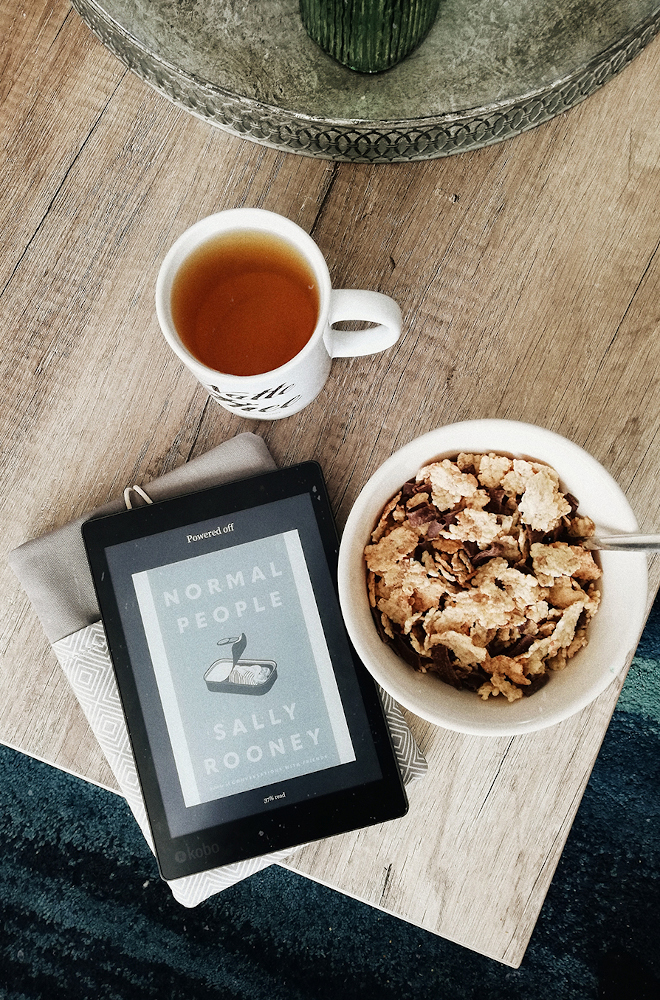
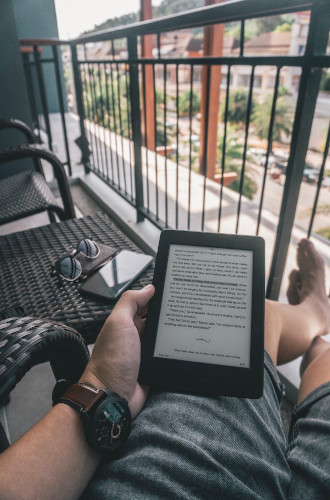
It has become the case, rather recently, that people are quite busy. Unable to cope with the unyielding stresses of everyday life, unexpected obstacles and problems arising, we rarely have enough free time to just lie back and enjoy ourselves. Something that people adore doing in their free time is reading.
Awesome Invention
But, if you’ve got a bare gap of an hour of free time between chores or duties, you might not be as free to go to your local library or bookstore. For this reason, people have opted for an invention that has awed users and admirers from all over the world.
Best E-Book Readers

Pleasure and Leisure
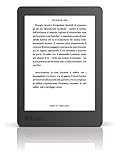
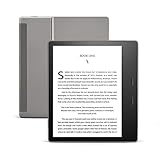
This invention is, in fact, the e-reader. Now, the e-reader is, essentially, a handheld device with which you can read various things, like novels, essays, magazines, newspapers, articles, and the like.
This is all from the pleasure and leisure of your own home or your commute, maybe when you’re in the waiting room, genuinely from anywhere. You can enjoy all the wonderful benefits that come with the e-reader as it will loosen you up by the flick of the button. Here, we can take a look at the Best E-Book Readers, their pros, cons, and then we can dissect frequently asked questions.
Kindle Paperwhite


Pros
The pros of the Kindle Paperwhite are the following:
- What concerns the reading experience and something that had been detrimental to the most proper reading process were the When it was nighttime, or the room wasn’t quite as nicely lit, the viewing experience was subpar. Now, the LED lights that have been incorporated and built in help immensely with the whole experience.
- Something that helps a lot, too, is the fact that it uses an inverted colors.
- It can handle and use pdf documents, just as any regular e-book. The e-book functionality is perfect and works without a hitch.
- The amount of storage that the device can handle is about eight gigabytes, which, in terms of e- books, is a tremendous amount of The only way you could ever fill up that much space is if you’re a voracious reader, which, no doubt, you are.
Cons
The cons with this particular e-reader are the following couple:
- Sadly, with each pro comes a con, and the battery doesn’t seem to be quite as great as you’d expect. Don’t get us wrong, it’s not going to drain exceedingly fast, but from experience, people note that about ten per cent of the battery covers about an hour of reading. This, of course, depends a whole lot on how long you read, how bright you prefer the screen and such.
- Pdf documents, though they work in general, can pose a bit of a fuss since diagrams and pictures aren’t quite as nicely suited for the device, but most texts work great, through and through.
Kobo Forma


Pros
The pros of this device and one of the best e-book readers include the following few:
- It is very much a lightweight device. It weighs barely 6.95 ounces, which, in terms of e-readers, is astonishingly light. Holding the Kobo Forma will be a breeze and won’t require any kind of strain on the part of the user.
- The Search feature that is present in the Kobo Forma is exceptionally easy to use. The books are nicely structured and formatted so that finding and opening them is an easy feat.
- When in situations of low brightness, any kind of glare is not present. This allows for the reading experience to be a highly enjoyable one in all circumstances.
- The back of the device is laden with a rubbery feel to it, so that while you’re holding it, it can’t slip up nor down, nor can it slide. A thoughtful addition, truly.
Cons
The cons, however, feature the following bunch:
- Though the weight is a massive plus, the device is actually very It stands among the smallest in its class, at a display size of circa eight inches. This wouldn’t be so bad, if the font were better adapted for the size.
- The feature for detecting the device’s orientation and positioning isn’t as nicely made as we’d prefer. Several rotations so that you can get it in the frame you prefer might be required.
- Flickering, in spite of the day and age, is present when you change the pages.
- The search function doesn’t display books in the user’s preferred language, but in the native language – or in the language that the book is most usually read.
And that’s about it for the Kobo Forma. It’s a lightweight, easy to use, though slightly flawed, device. We surely recommend it to e-readers!
Kobo Aura


Pros
The pros go as follows:
- For one, the size of the device is just perfect. It is, in fact, on the smaller size, but the way that it is used and wonderfully implemented is what makes the device such a treat to use and read on.
- The screen’s quality, also, is just beautiful and worthy of massive praise.
- Another thing that has been improved from earlier editions is the quality of the battery and the overall battery life, which is now on the road towards being exceptional, or it might already have passed this landmark.
- The backlight isn’t straining for the eyes, but is easy on the pupils and the process of light- adaptation is a breeze. Glare is non-existent.
- Cyrillic letters are implemented Very much worthy of praise. This has been an issue for non- English speaking audiences for quite a long time, and Kobo has implemented their strategy masterfully.
Cons
There are only two cons that we can say about the Aura:
- Unlike the competition, the Kobo Aura is only available in a 4 Gigabyte This might not be a big problem for most readers, but as such we have to note it.
- While Cyrillic letters are present, it doesn’t have support for a lot of languages, like Russian.
The Kobo Aura is a great e-reader that any lover will surely enjoy and love.
Kindle Oasis


Pros
The pros of the superb device include these:
- The size of the device is a small one, very easy to hold and Additionally, the aluminum design adds to the feeling of a premium device such as this one.
- The warm temperature on the screen works like a charm, and can be modified either manually or you can set it up to change automatically – by sunrise and sunset. This effect, during the day, makes it seem like you’re flipping old pages on a real paperback.
- The E-Ink display that it has is extraordinarily rapid and effective. No ghosting can be noticed or caught by the eye during the read.
- The haptic feedback from the page’s buttons are very gratifying and a treat to use.
- Left-handed people rejoice! We know that you will find this device a happy treat. It is ambidextrous and can be adjusted to suit the user’s preferences.
Cons
The cons of this device are the following:
- The device seems to have quite a lot of room in it, yet it lacks a headphone jack – this is something that the phone industry is taking from us, and we must resist it!
- USB-C connector is missing. For a premium device like this, you’d think that it would be here.
- The temperature and brightness setting will need some time on your part for getting used to it.
- The keyboard isn’t all that fast.
- The premium aluminum design is liable to slip and fall, so you’d be better off paying attention to how you handle it.
The Kindle devices are really in a league of their own. The device at hand, the Kindle Oasis, is a sleek, easy to use e-reader, that is almost unmatched.
Barnes & Noble Nook GlowLight 3 E-Reader


Pros
Here we have the pros:
- The device weighs about 13.6 ounces, with its dimensions being 9.1 by 6.5 by 2.4 inches. With this, we can conclude that this device isn’t the smallest you can get, nor is it the lightest, but this works in its favor. From experience, people will tell you that scarcely has any other e-reader felt as light in the hands and easy to handle than the Barnes & Noble Nook GlowLight 3.
- All of the features that you might have come to expect from the best e-book reader in our day and age are present here.
- It has superb nighttime colored LEDs for reading in difficult or challenging circumstances, or just straight up low light reading, if you’re into that.
- Any kind of eye strain has been eliminated completely from the Barnes & Noble e-reader.
- Something that we don’t often pay attention to when buying our e-readers is the The nook costs considerably less than other devices in its range, while packing either the same number of features or having passed them by a long mark. For example, in its range, there are e-readers that cost north of two-hundred dollars more, while this one is only around $100.
Cons
As far as cons and drawbacks go we can only mention one, and that is this one:
- During situations of really high bright light – direct sunlight, for instance –, there is a bit of glare noticeable.
Really cannot recommend it quite enough.
What to Look for When Choosing your E-Reader?
Screen
What’s the first thing to pay attention to when you’re trying to find the best e-book reader? First off, we have the screen. After all, it’s the part you’re going to be looking at the most. Broadly and predominantly, screens are either LCD screens or E-ink screens.
LCD screens aren’t ones that you should be looking for as the technology is quite outdated – in context to the history of e-readers –, and it can cause active eye strain. E-Ink screens, however, are made up of microcapsules that comprise of negatively charged black particles and positively charged white ones. Additionally, they are very similar to printed paper. The battery life is also bettered with this kind and no eye strain.
Battery Life
Secondly, we have battery life. This is of a paramount significance when picking out your e-reader. It’s logical to think that the more features that your particular e-reader has, the shorter the battery life of it. This means, that you should be wary of when choosing your e-reader so that it doesn’t have unneeded or superfluous features. Of course, there aren’t many e-readers that have appallingly bad battery life.
Size
The size and the weight of the e-reader is also very important. After all, one of the main reasons for buying an e-reader is so as not to be carrying around tons of books, but having them all safe at the tips of your fingers. Thankfully, they come in lots of sizes. They can be exceedingly compact and you can use them like you’d use your phone, or they can be very big. This really depends on what you prefer, and not what everyone likes.
Touchscreen
Touchscreen functionality on an e-reader is a treat. It is also very intuitive since you have touchscreens on your phone, laptop, tablets, even some TVs. This, however, does shorten the span of the battery, though not as severely as you’d be led to believe. Buttons, though, are far more accurate and there isn’t a shortening of the battery. Again, this all depends on what you, yourself, prefer, and isn’t a universal thing.
Price
Finally, the price of the device is a highly motivating factor. There are e-readers that are cheaper, while offering a smaller variety of features, and there are others that are quite pricey, but can make the user experience a very enjoyable one. Still, not everything is so black and white, and you can find e-readers that don’t cost a chunk of your paycheck, while giving you all that you might actually need and want. Be very careful when picking out an e-reader as you surely want to get the best bang for your buck.
Conclusion
With all that said, we would very much recommend taking up any kind of e-reader if you have never used one before. Only then will you see which features you are missing, which one you find useless, superfluous, annoying or just downright dumb. You’ll see how much of a difference an e-ink screen makes when compared to the LCD screens, touchscreens vs. keyboards, the build quality of the device, and many more things.
The Benefits of Using an E-Reader
Pros
Gone are the times when you’d have to go buy dozens of books in a bookstore or borrow a few from your local library. And good riddance. Not everyone has the time to go out and do just that.
Having an e-reader that can work with a multitude of types of files is very much essential to your reading experience.
You can genuinely have whole bookstores in the safety of your pocket or your bedstand or your lap or your desk. Anything from the plays of Shakespeare, to the holy scriptures, to Beckett and to Stephen King. Nothing is off limits, and there are loads of benefits from this.
Cons
However, there is a kind of downfall when you read books on your e-reader. Books that are from the postmodern period, and we’ll speak about one just now, that encompass more than just the writing, aren’t suited for e-readers. For instance, Mark Z. Danielewski’s House of Leaves can never be truly read and enjoyed with an e-reader. A book is the only way that you can let the book live up to its fullest potential.
Still, the benefits and the pros from using the best e-book readers far outweigh the cons and the flaws. They are, in fact, the future.
Conclusion
In conclusion, the introduction and the usage of the best e-book readers has been a godsend for people all over the world. We’ve listed and mentioned all the benefits and the minute flaws that come with the handheld device. In short, it is a piece of highly useful, extremely enjoyable and outstandingly powerful tech that has its usage in many, many walks of life.
Using it is a breeze, as you can flip through tomes with the flick of a finger. There isn’t a need for a bookmarker since the device is developed enough so as to remember by itself where you left off. You can read in the nighttime without using artificial lights, ambient lighting or even the sensual nature of candles.
Extremely Beneficial
Through and through, e-readers are extremely beneficial and we would suggest and recommend to anyone having doubts about taking them up in light of their physical paperbacks or hardbacks, to just take a chance with the leisure of a nice e-reader.
To sum everything up, e-readers can be used in many forms, kindles and kobos, just to name a few, and are astonishingly useful.

Michael Englert
Michael is a graduate of cultural studies and history. He enjoys a good bottle of wine and (surprise, surprise) reading. As a small-town librarian, he is currently relishing the silence and peaceful atmosphere that is prevailing.